







Biblical Diplomacy focuses on Reconnecting People & Communities to the Land, Language, and Legacy of the Bible.
Biblical Diplomacy’s three foundational pillars are the:
Land (Geography and Context)
Language (Original “Voice”) and
Legacy (Enduring Impact)
of the Bible that empowers people to not only understand the text in its current and historical context but also to realize its enduring and current impact on global civilization.
Click on the tabs on the left for a breakdown on how Biblical Diplomacy’s three elements interconnect to empower faith based alliances.
Learn More about Biblical Diplomacy:
>Red Alert: The Power of Biblical Diplomacy
>Helping Americans Rediscover Their Biblical Roots

🌍 The Land of the Bible
(Geography and Context)
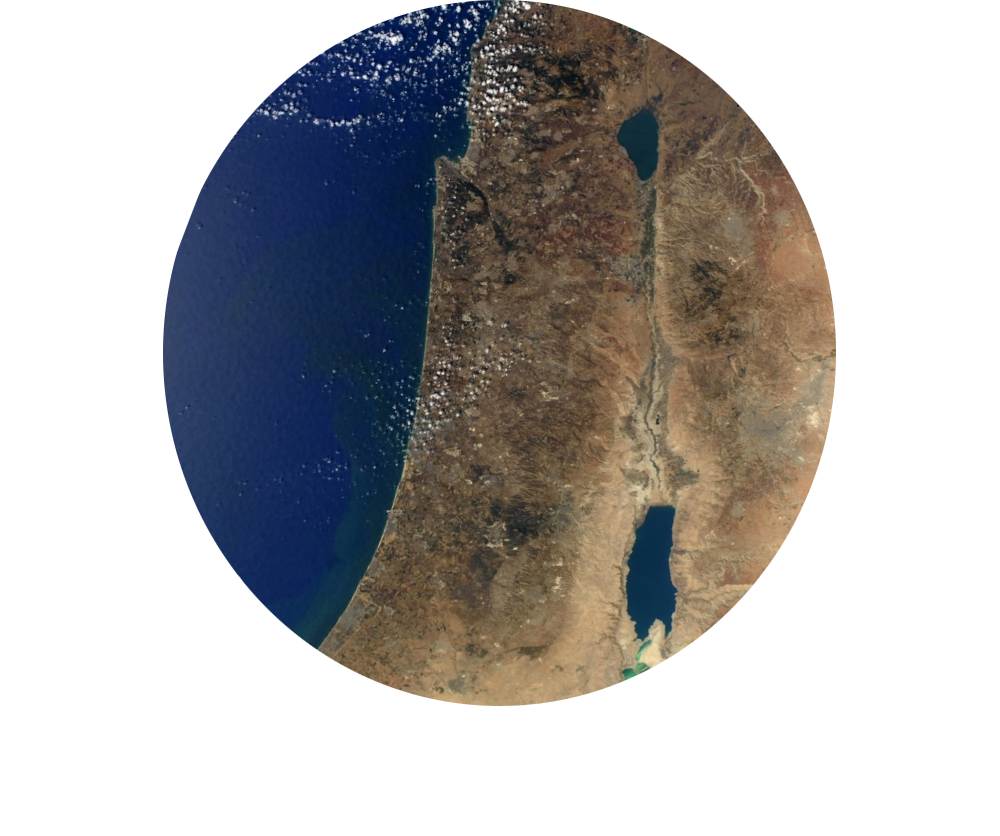
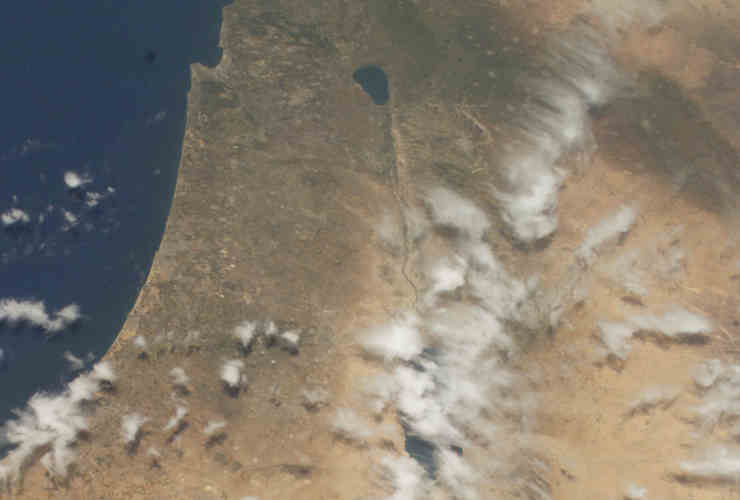
The Bible is deeply rooted in real-world geography, primarily centered in the Ancient Near East and the Levant (modern-day Middle-East (Including Israel, Jordan, Lebanon, and Syria).
• The Crossroads of Empires: The land of Canaan served as a land bridge connecting major ancient superpowers: Egypt, Mesopotamia (Assyria/Babylon), and later Greece and Rome. This strategic location meant that the Bible was constantly reacting to regional politics, invasions, and cultural exchanges.
• Topography and Climate: The physical landscape—deserts, mountains, fertile valleys, and the scarcity of water—profoundly shaped biblical imagery. Concepts like “living water,” “the wilderness,” and “a land flowing with milk and honey” are directly derived from the geography of the Land of the Bible.
🗣️The Language of the Bible
(The Original Voice)
The Basis of Good Communication is a common Language.
When we speak in biblical terms, using the language of the Bible, we remember who we are and where our story began.
Evyatar often says, “Terminology equals identity.” When we use biblical names—Cana, Salem, Bethlehem, and Zion—we speak the language of Scripture. We reclaim the worldview of the Bible.
Biblical diplomacy connects members of Faith Communities to the geographical vocabulary of their faith.
What better way for people to dshare their biblical heritage than to use the language of the Bible and the connections it has where one resides in our day and age.
This approach resonates deeply with members of Faith Communities who see the Bible as the foundation of their spiritual lives. It reminds us that the Land & Language of the Bible is not just history—it is current covenant, promise, and testimony.
The Bible is a library of ancient texts composed in many ancient languages over more than a millennium.
• Hebrew: The vast majority of the Old Testament (Hebrew Bible) was written in Biblical Hebrew. It is a concrete, poetic, and action-oriented language where words often carry multi-layered meanings (e.g., Shalom means peace, but also wholeness, safety, and prosperity).
• Aramaic: A sister language to Hebrew, Aramaic became the lingua franca of the region after the Babylonian exile. Portions of Daniel and Ezra are in Aramaic, and it was the everyday language spoken by the Good Shepherd and his disciples.
• Greek (Koine): Parts of the Apocrypha and the New Testament were written in Koine Greek (“common Greek”). Following the conquests of Alexander the Great, Greek became the universal language of commerce and literature across the Mediterranean, allowing the message of the Bible to spread rapidly.

📜 The Legacy of the Bible
(Enduring Impact)
The legacy of the Bible extends far beyond faith & religion, acting as foundational cornerstone for all aspects of Biblical Diplomacy including history, law, culture, and ethics.
• Literature and Language: The Bible has heavily shaped the vocabulary, idioms, and metaphors of modern languages. Phrases like “scapegoat,” “good Samaritan,” and “writing on the wall” all stem from biblical texts. The Bible inspired monumental works by authors like Dante, Milton, Dostoyevsky, Solzhenitsyn and Shakespeare.
• Law and Ethics: Concepts of human rights, inherent human dignity (the concept of Imago Dei, צֶלֶם אֱלֹהִים (tzelem elohim), originating from Genesis 1:27 or being made in the image of God), and social justice for the marginalized (the poor, the widow, the orphan) have deep roots in biblical law and prophetic literature.
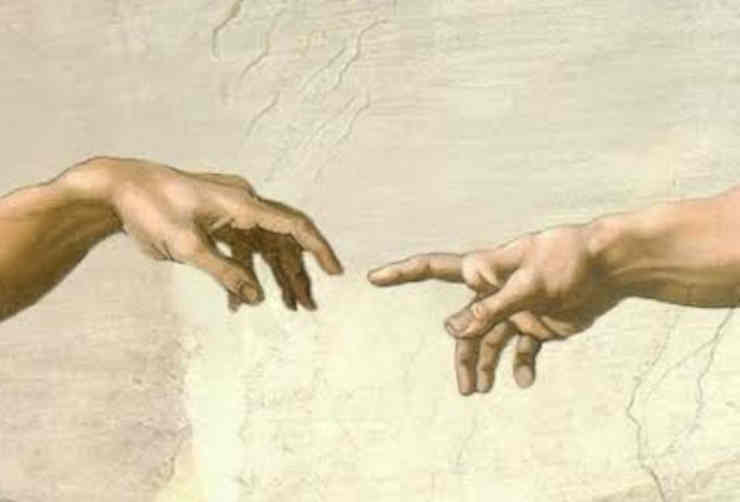
• Art and Architecture: The Bible is the primary source of inspiration for Western art, driving the creation of masterpieces by Michelangelo, Rembrandt, and Da Vinci, as well as the construction of houses of worship for all faiths.